


Introduction
Tuberculosis (TB) is a severe infectious disease impacting mostly on the lungs, but may affect any other organ of the body. In case a patient is diagnosed with TB, adequate patient care regarding tuberculosis at home is essential in the recovery process and to prevent the spread amongst other family members. Through proper management and medical advice, a majority of the tuberculosis patient care at home as they are undergoing treatment. This guide will offer necessary information on patient care at home in relation to tuberculosis to assist families and their loved ones with the treatment process.
Major understanding about Tuberculosis and Home Care
To adopt the strategies of Home care for TB patients it is important to know the various types of TB. There are two types that are normally treated by pulmonologists: pulmonary TB (which affects the lungs) and extrapulmonary TB (which affects other organs such as kidneys, bones, or lymph nodes). Pulmonary TB is the most prevalent type of tuberculosis that patients need at home with the disease being contagious in the early stages of treatment.
TB patients should be provided with home care, which starts with the recognition that the initial two weeks of treatment are crucial. The patient is contagious during this time, and there should be rigorous isolation. Most patients are non-contagious and will be able to resume normal household activities slowly after two weeks of proper medical treatment.
TB patient home care tips to be followed:
In this section, we will help you to know about the TB patient home care tips in detail for better understanding:
1. Isolation and Prevention Measures
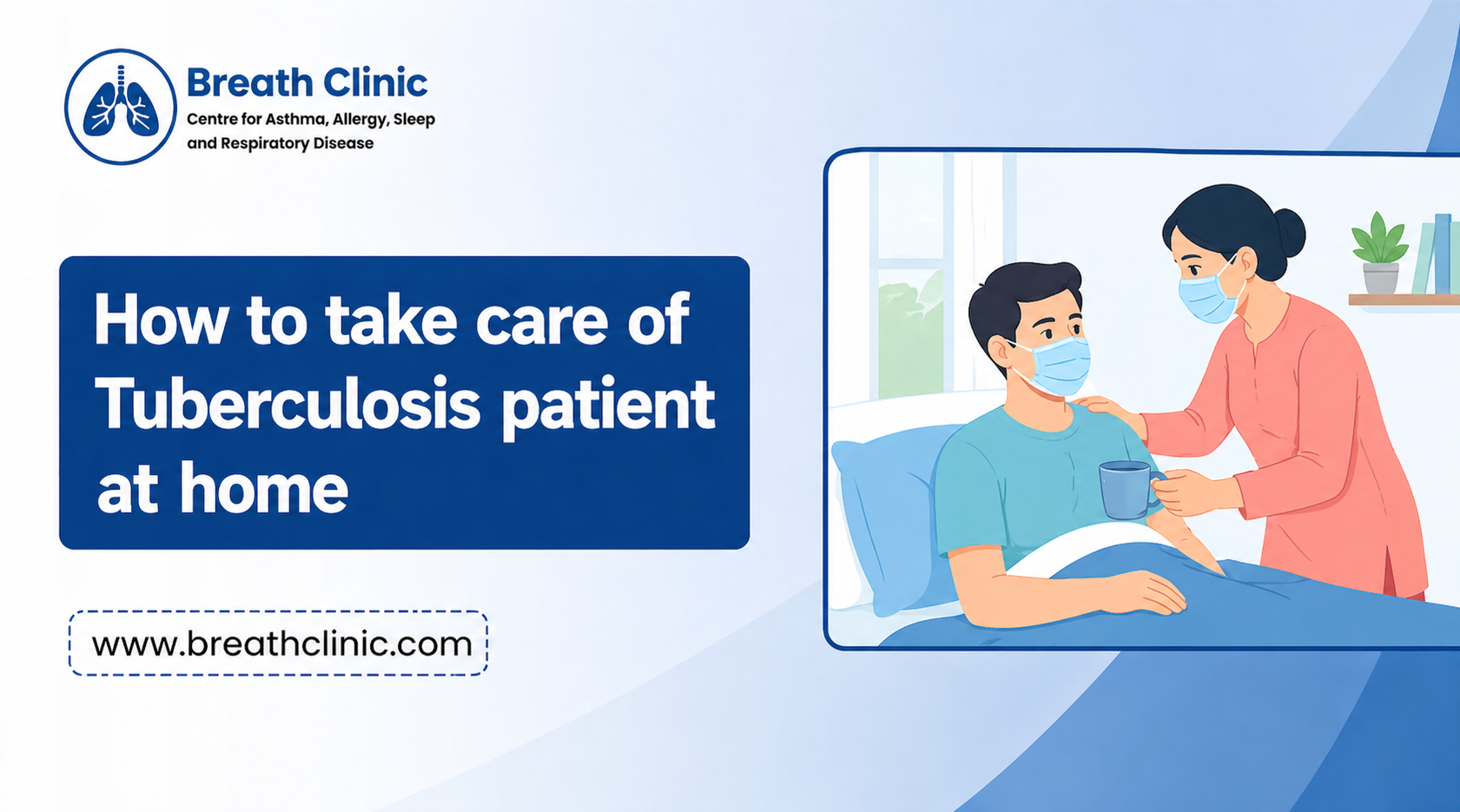
Appropriate isolation is one of the most important things for Tuberculosis patient care at home. Make certain that the TB patient is in a room with adequate ventilation and the window of the room is able to allow natural sunlight and air to penetrate the room. Patient is required to wear a mask in public places, and close contacts require family members to wear face masks. The minimum distance between people should be 6 feet when conversing, and sharing of towels, utensils, and bedding should not be done.
2. Nutritional Support
Proper nutrition is essential to know for Home care for TB patients. TB patients need a high-calorie diet with intensive protein to boost immunity and help them recover. Well, one can be sure to add foods like eggs, milk, nuts, and fresh fruits. They can also chooe to eat leafy greens to lean proteins. Impose that the patient to eat at times and keep constant hydration by drinking plenty of water, herbal teas, and clear juices.
3. Medication Support
Medication is something that cannot be ignored in the case of people dealing with TB. This is one of the most successful tuberculosis patient care at home tips that is considered. Be sure to follow a reminder system or a daily timetable with alarms to remind the patient to take medications as prescribed. This typically involves taking multiple anti-TB drugs for 6 months. Failure to take doses may result in resistance to drugs and long-term treatment.
4. Monitoring Health Progress
Record in detail the symptoms, medication schedule of the patient and any side effects the patient is experiencing. It is necessary to make regular follow-ups with the pulmonologist to check the course of treatment. Observes improvement such as a decreased cough, an improved appetite and a higher level of energy.
5. Psychological and Emotional Support
The diagnosis of TB may be emotionally overwhelming. Be supportive and encouraging at all times. Make the patient realize that TB can be treated and cured through treatment and compliance. Stigmatization should be avoided and the patient should feel encouraged in the process of recovery.
When Professional Medical Care is needed?
Get medical attention as soon as possible in case of persistent fever, bloody and severe cough, difficulty breathing, and chest pain in the patient. The symptoms can be signs of complications that need prompt medical care.
About Dr. Pankaj Gulati: Expert Pulmonologist in Jaipur
Dr. Pankaj Gulati is a famous pulmonologist in Jaipur who has a lot of experience in treating respiratory infections, such as tuberculosis. Having several years of specialized training and clinical experience, Dr. Gulati specializes in the diagnosis and treatment of different types of TB, including pulmonary and extrapulmonary. Tuberculosis Treatment in Jaipur is accessible and effective because of its patient-centric approach that provides a complex treatment and guidance to TB patients and their families. Dr. Pankaj Gulati is a medical doctor at Breath Clinic who integrates both modern medicine and care to achieve the best patient experience.
FAQ
How long is a TB patient contagious once treatment begins?
Most TB patients should have stopped being infectious after 2-3 weeks of the proper anti-TB therapy. However, after the first two weeks there should be a maximum isolatio0n to not pass the disease among family members.
Can TB patients eat normal food?
However, TB patients can eat their normal food but a fried and high-calorie diet will be compulsory. Eat lots of food high in protein, fresh fruits & vegetables as well dairy products to help immunity and healing.
What are the side effects of TB drugs?
The possible adverse effects are as usual (nausea, loss of appetite and skin response). If you experience any extreme adverse effects, inform your pulmonologist and he or she may need to adjust the medication.
After starting treatment, can TB patients be outside?
The patient is contagious no longer and outdoor activities may resume, being slowly reinserted after 2-3 weeks of treatment. However, at first, avoid large crowds and focus on rests of recovery.
Why do you have to visit the Pulmonologist so often if your TB?
Regular follow-up is important in terms of assessing treatment response, observing medication adherence and complications, and adapting therapy if necessary. Tuberculosis Treatment in Jaipur recommends every month or as per your physician.
Conclusion
Tuberculosis patient care at home necessitates commitment, medical counseling, and support of the family. Adhering to these detailed instructions and communicating regularly with your pulmonologist, you may be sure of successful treatment and quicker recovery. It is important to remember that TB can be fully treated under the conditions of proper treatment and following the medical recommendations. One can choose a proper Tuberculosis home treatment care guide and then also take care of patients accordingly. But doctor’s adherence is a must throughout!