



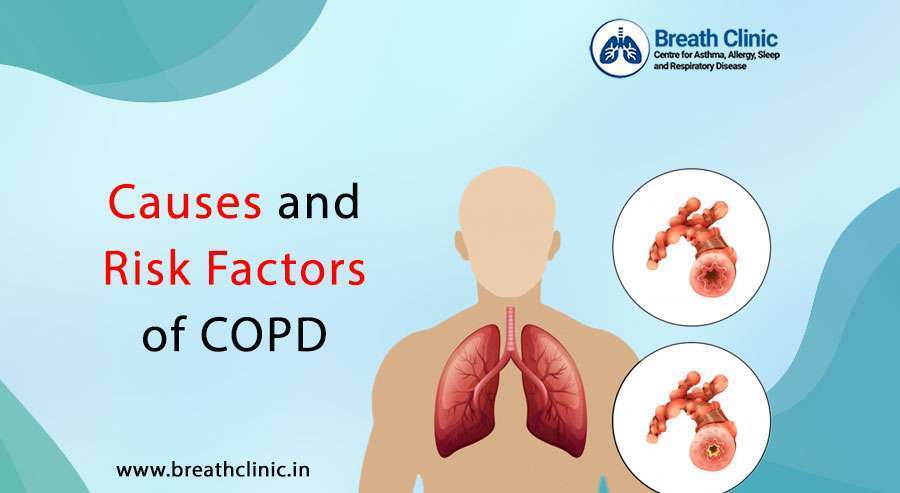
Chronic obstructive pulmonary disease (COPD) is a long-term lung condition in which the airways become narrowed and damaged, making it hard to breathe out. It is a combination of chronic bronchitis and emphysema, and the damage builds up slowly over many years. That is why understanding the causes and risk factors of COPD matters: most people do not notice the disease until a large part of their lung function is already lost.
What Causes COPD?
COPD develops when the lungs are exposed to irritants over a long period, leading to inflammation, mucus build-up and permanent damage to the airways and air sacs. In many cases the main cause is smoking. Smoking from a young age can slow lung growth and damage the airways permanently, and the large majority of COPD-related deaths are linked to tobacco, which is why the condition is often called “smoker’s lung”. You can read more in our article on the main cause of COPD.
But smoking is not the only cause. Several other exposures can also damage the lungs:
- Air pollution: Long-term exposure to traffic and combustion-related pollution, especially in crowded cities, irritates and damages the airways.
- Workplace dust and fumes: Regular contact with cadmium, silica, grain and flour dust, welding fumes or coal dust can harm the lungs. Workers in mining, construction, agriculture and chemical industries are particularly exposed.
- Indoor smoke: Smoke from cooking and heating, especially with wood, coal or dung cakes in poorly ventilated homes, is a major cause in many parts of India.
- Genetics: A rare inherited condition called alpha-1 antitrypsin deficiency means the body does not make enough of a protein that protects the lungs, so COPD can develop even in non-smokers and at a younger age.
Major Risk Factors of COPD
The following are the most important risk factors of COPD:
- Active and passive smoking: Smoking is the biggest risk factor, and breathing in second-hand smoke also raises your risk.
- Occupational exposure: Years of inhaling dust, chemicals and fumes at work.
- Outdoor and indoor air pollution: Constant exposure to polluted air and household smoke.
- Age: COPD usually shows up after 40, because lung damage accumulates over time. If you want to know more, see what age COPD starts.
- Genetic factors: Alpha-1 antitrypsin deficiency and a family history of lung disease.
- Asthma and respiratory infections: Poorly controlled asthma, frequent childhood chest infections and repeated lung infections can leave the airways more vulnerable.
These risk factors of COPD often add up. A smoker who also works around dust and cooks on a wood stove, for example, faces a much higher risk than someone with only one exposure. If you want to understand which groups are hit hardest, read about who gets most affected by COPD.
Asthma deserves a special mention. Asthma on its own does not become COPD, but severe, uncontrolled asthma combined with smoking is one of the risk factors of COPD that doctors take seriously. Our guide on the difference between asthma and COPD explains how the two conditions compare, and our post on the causes of asthma covers what triggers it.
How to Lower Your Risk
The good news is that many of the risk factors of COPD can be reduced. Quit smoking and avoid second-hand smoke, use masks or protective equipment at dusty workplaces, improve ventilation while cooking, and switch to cleaner fuel where you can. Our list of tips to prevent COPD offers practical steps you can start today.
Staying active also helps keep your lungs and breathing muscles stronger, and these exercises for COPD patients are a safe place to begin. Get vaccinated against flu and pneumonia, and see a doctor early if you have a cough that will not go away.
Conclusion
Knowing the risk factors of COPD is the first step to protecting your lungs. Smoking, pollution, workplace exposure, genetics and age all play a part, and the earlier you act, the more lung function you can save. If your breathlessness or cough is getting worse, learn the signs of COPD getting worse and consult a lung specialist at Breath Clinic without delay.
Frequently Asked Questions (FAQs)
1. What are the main causes of COPD?
Long-term smoking is the leading cause. Air pollution, indoor smoke from cooking fuel, workplace dust and chemicals, and genetic conditions like alpha-1 antitrypsin deficiency are other important causes.
2. Can non-smokers get COPD?
Yes. Non-smokers can develop COPD from second-hand smoke, biomass fuel smoke, air pollution, occupational exposure or genetic factors.
3. What are the early symptoms of COPD?
A persistent cough, extra mucus, breathlessness on exertion and frequent chest infections are common early signs. See the full list of symptoms of COPD.
4. Is COPD hereditary?
COPD itself is not directly inherited, but alpha-1 antitrypsin deficiency is a genetic condition that can cause it. A family history can also make you more sensitive to smoke and pollutants.
5. Can COPD be reversed or cured?
The lung damage cannot be undone, but treatment, quitting smoking and rehabilitation can slow the disease and greatly improve quality of life. Read more on whether people with COPD can get better.
6. Can COPD be prevented?
Largely, yes. Avoiding tobacco smoke, reducing exposure to dust, fumes and indoor smoke, and treating lung infections early can prevent most cases.
7. How is COPD diagnosed?
Doctors use a lung function test called spirometry along with your symptoms, history of exposure and sometimes a chest X-ray or CT scan.
8. Where can I get COPD treated in Jaipur?
You can consult a pulmonologist for a proper diagnosis and long-term care. Details on available care are on our page for COPD treatment in Jaipur.